FiledJASPERQTTJ107 · OCT 18, 2026, 13:23
Seborrheic Keratosis Treatment In Boardman, Oh

What Triggers Sks?
They have a tendency to gather with boosting age, however are still frequently discovered in men and women beginning with the late teen-age years. They do not represent an infection and are not transmittable. There are several therapy choices to remove seborrheic keratosis. One is to ice up the growth utilizing fluid nitrogen, which is extra effective on smaller, level developments. Scratching help these sorts of seborrheic keratosis, also.What takes place if seborrheic keratosis is left without treatment?
Seborrheic keratoses are harmless and not infectious. They do not need treatment, yet you may decide to have them gotten rid of if they end up being irritated by apparel or you do not like just how they look.
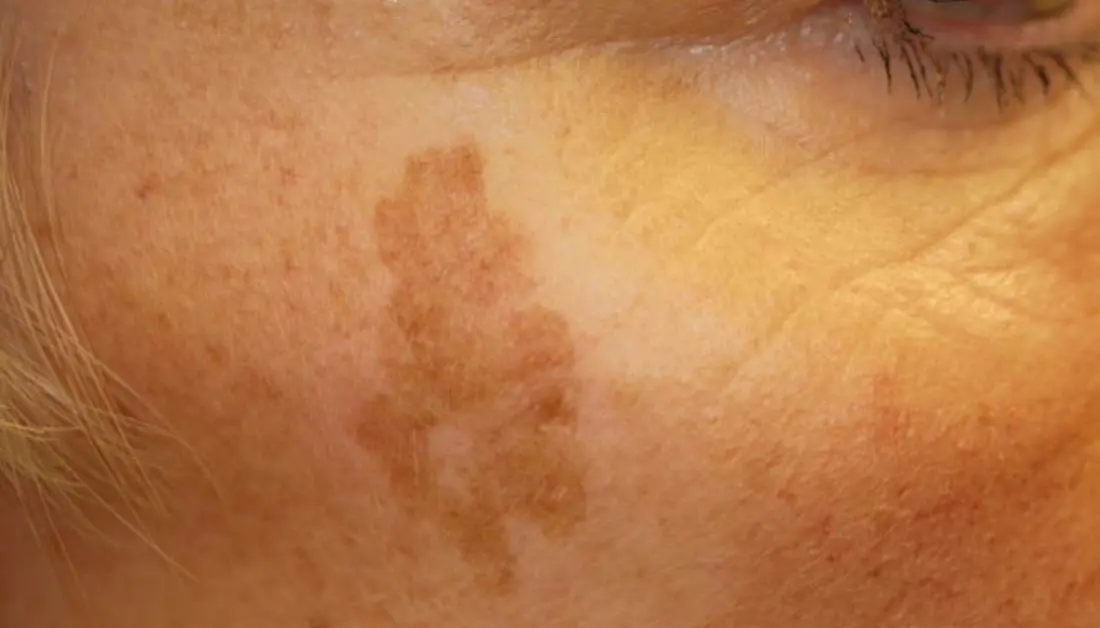
What Is The Therapy For Seborrhoeic Keratoses?
We make every effort to give reliable and precise details, but we do not assure the completeness of the web content. If you locate any kind of mistakes in the details, please call us. There is no guaranteed way to avoid seborrheic keratosis, specifically given that aging and genes are significant elements. We provide a data source of descriptions from actual doctors on a series of medical subjects. Begin by discovering our collection of concerns and subjects you want to find out more concerning. If it's something more serious, early discovery makes a major difference. In many cases, treatment is not medically required. All insurance policies and group benefit plans contain exclusions and limitations. For accessibility, prices and total information of insurance coverage, speak to a certified representative or Cigna sales rep. SKs can develop anywhere on the skin, except the palms of the hands and the soles of the feet. Many SKs show up on the upper body, back, scalp, face and neck. You can browse by place, problem, and treatment to find the dermatologist that's right for you.- SKs are typically brown, although they might vary in shade from light tan to black.
- These symptoms can be irritating for patients with sores and might trigger them to seek clinical focus to rule out hatred.
- We do not recognize what causes seborrheic keratoses, although the tendency to establish them may be inherited.
- Several seborrheic keratoses might develop, and they can show up on different areas of the body, frequently on the face, chest, shoulders, or back.
Ends · JASPERQTTJ107